From Chips Act 2.0 to Impact: The Next Chapter for Europe's Semiconductor Ecosystem
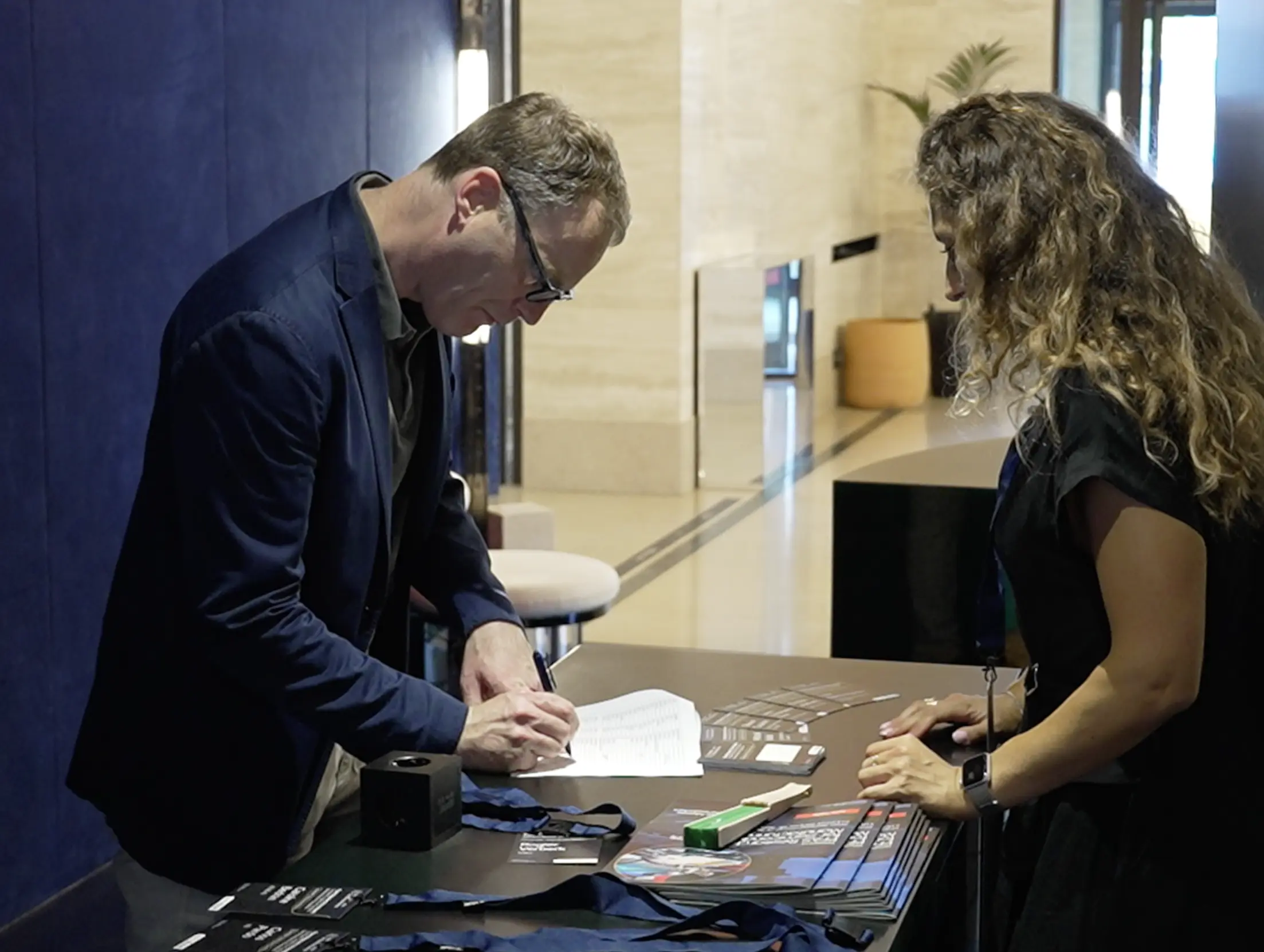
On 26 June 2026, the Industrial Alliance for Semiconductors gathered its members at the SPARKS Meeting venue in Brussels for a high-level, members-only event dedicated to the future of Europe's semiconductor ecosystem and the evolving policy landscape around the Chips Act 2.0.
Building on the momentum of the Alliance's two previous workshops, the day brought together industry leaders, policymakers, research organisations and ecosystem stakeholders to exchange first perspectives on the next phase of Europe's path to digital sovereignty. The day was organised with the support of ALLPROS.eu 2029, Secretariat to the Industrial Alliance for Semiconductors.
Setting the scene: the policy direction of Chips Act 2.0
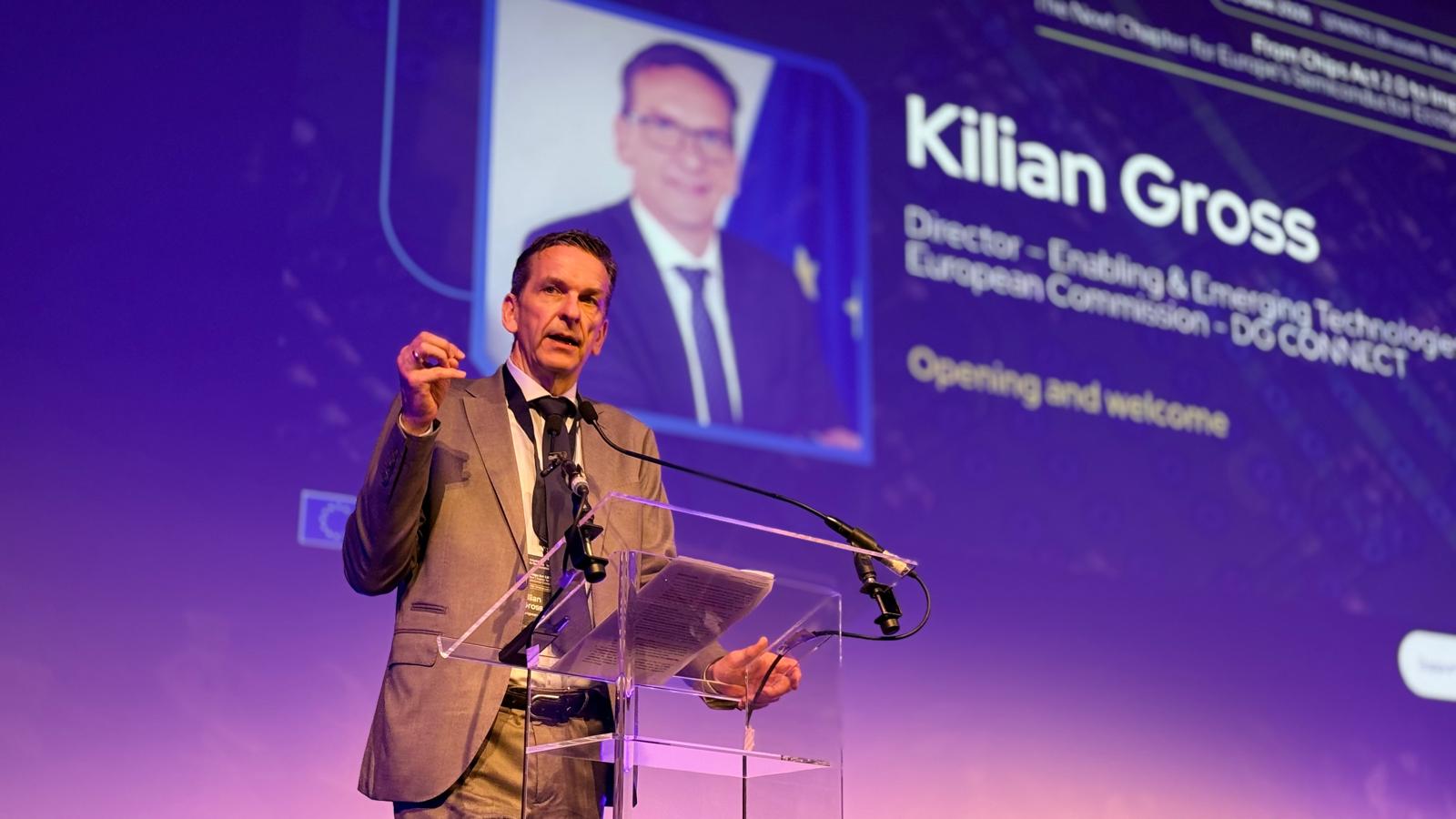
The programme opened with remarks from Kilian Gross, Director for Enabling and Emerging Technologies (Directorate C) at the European Commission's DG CONNECT. He described the Alliance as the place where the Commission meets industry, a structured feedback loop into the policymaking process, and underlined the central role of the Working Groups in that exchange. He also noted that the Alliance is now anchored in law within the Chips Act 2.0 (Article 49).
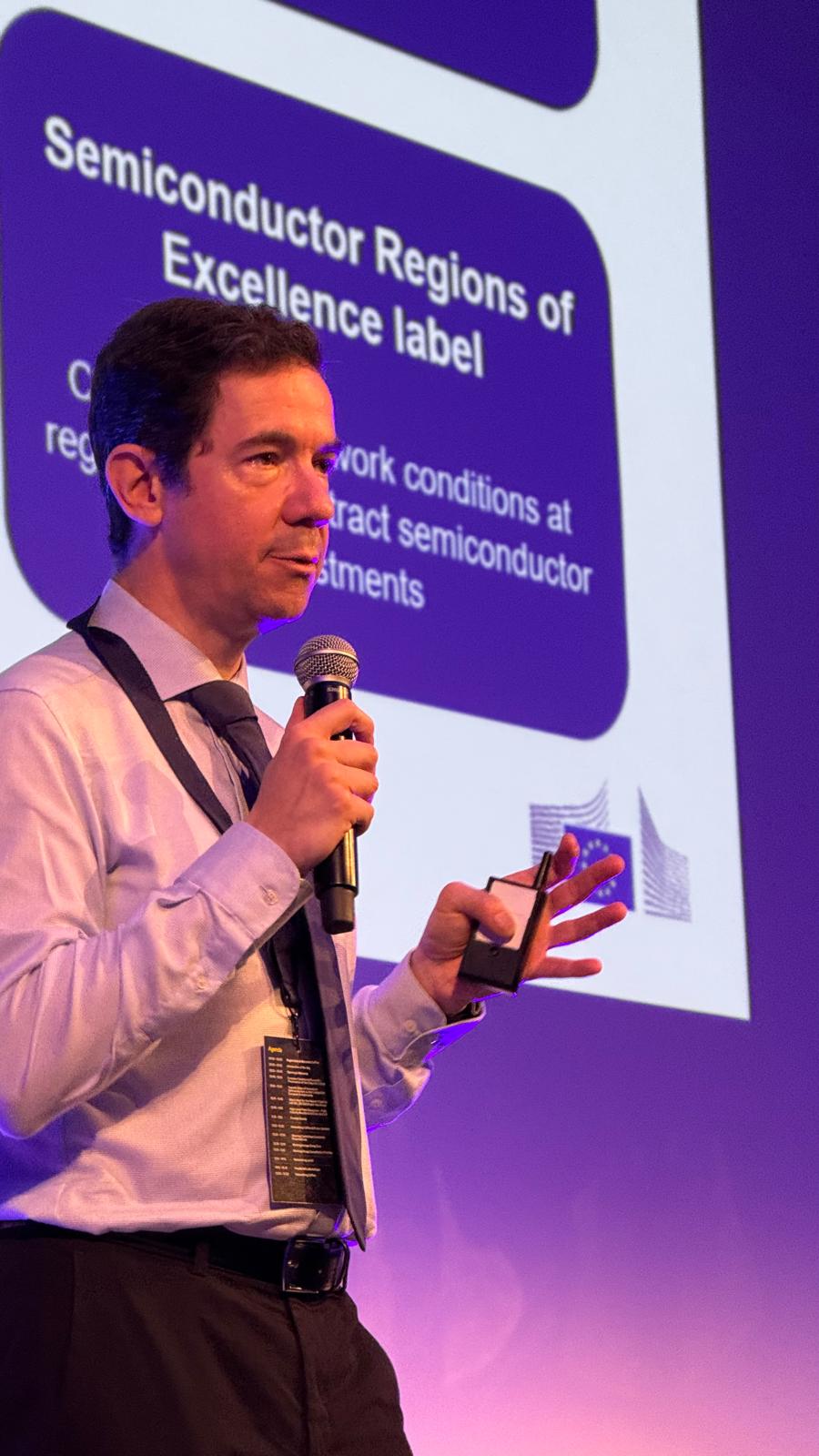
Pierre Chastanet, Head of Unit for Microelectronics and Photonics Industry at DG CONNECT, presented the Chips Act 2.0 proposal and the rationale behind a second iteration. Where the first Chips Act was geared towards rebuilding manufacturing capacity in Europe, he explained, the 2.0 proposal shifts attention towards the demand, or user, side of the ecosystem, with artificial intelligence set to be a major driver of future chip demand.
What's next for the market: semiconductors as a catalyst for European AI autonomy
Maria Marced, Chair of the GSA EMEA Leadership Council, delivered the keynote "Edge of Innovation: Semiconductors as the Catalyst for European AI Autonomy." She pointed to projections of a USD 2 trillion semiconductor market by 2030 and argued that a purely competitive approach between organisations no longer serves the sector, calling instead for a shift from competition to cooperation across Europe's ecosystem.
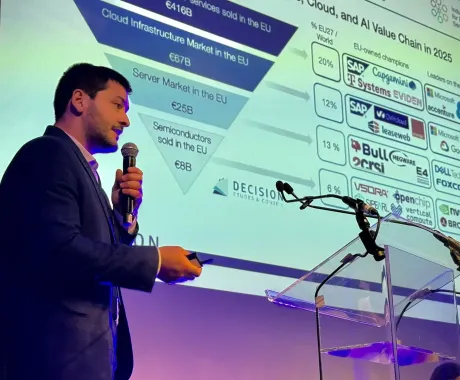
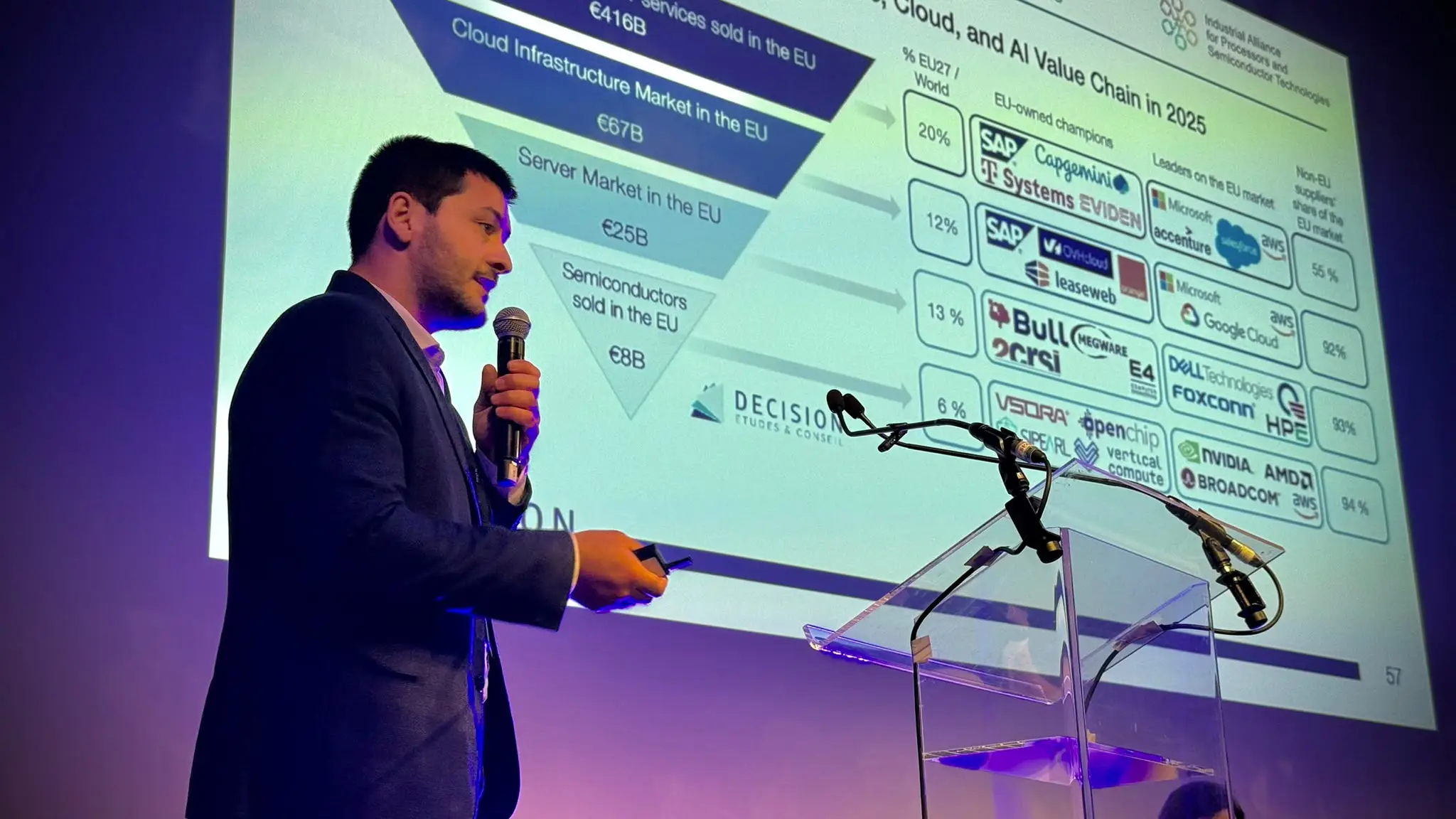
Flash talks from ALLPROS.eu 2029 Giorgio Micheletti (IDC), Léo Saint-Martin (DECISION) and Emilie Jolivet (Yole Group) offered a snapshot of the latest market trends, with data centres, cloud and AI emerging as the ecosystem's primary growth drivers towards 2030.
National initiatives, industry associations, clusters and regions provide first industry reactions to Chips Act 2.0.
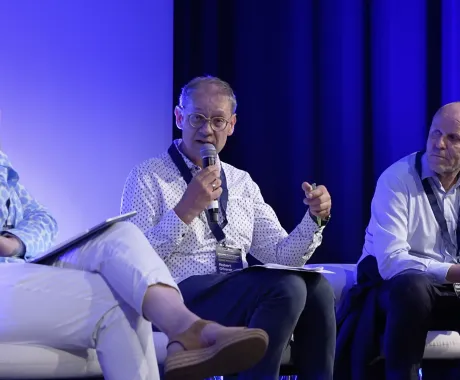
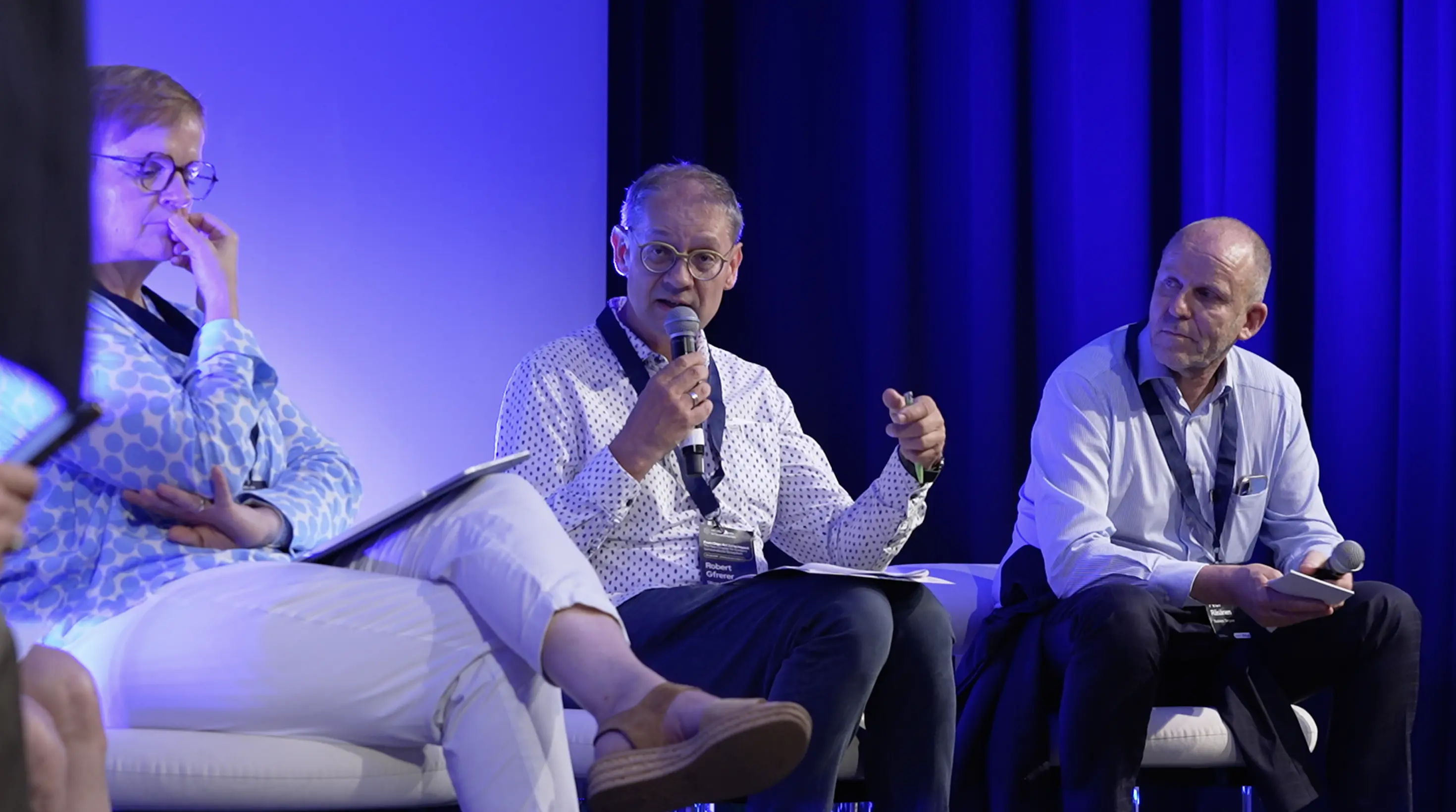
Moderated by Roberta Fabrizi, a high-level panel gathered key voices from across the EU semiconductor ecosystem to share their first reactions to the proposal: Maria Marced (GSA EMEA Leadership Council), Caroline Bedran (Director General, AENEAS), Elisabeth Steimetz (Director, EPoSS), Robert Gfrerer (Chairman, Silicon Europe Alliance and CEO of the Silicon Alps cluster) and Petri Räsänen (Senior Director, Business Tampere and Head of the Chips from Tampere programme). The discussion explored how the new framework can better reflect the whole value chain, balance supply and demand, and support cooperation across Europe's clusters and national ecosystems.
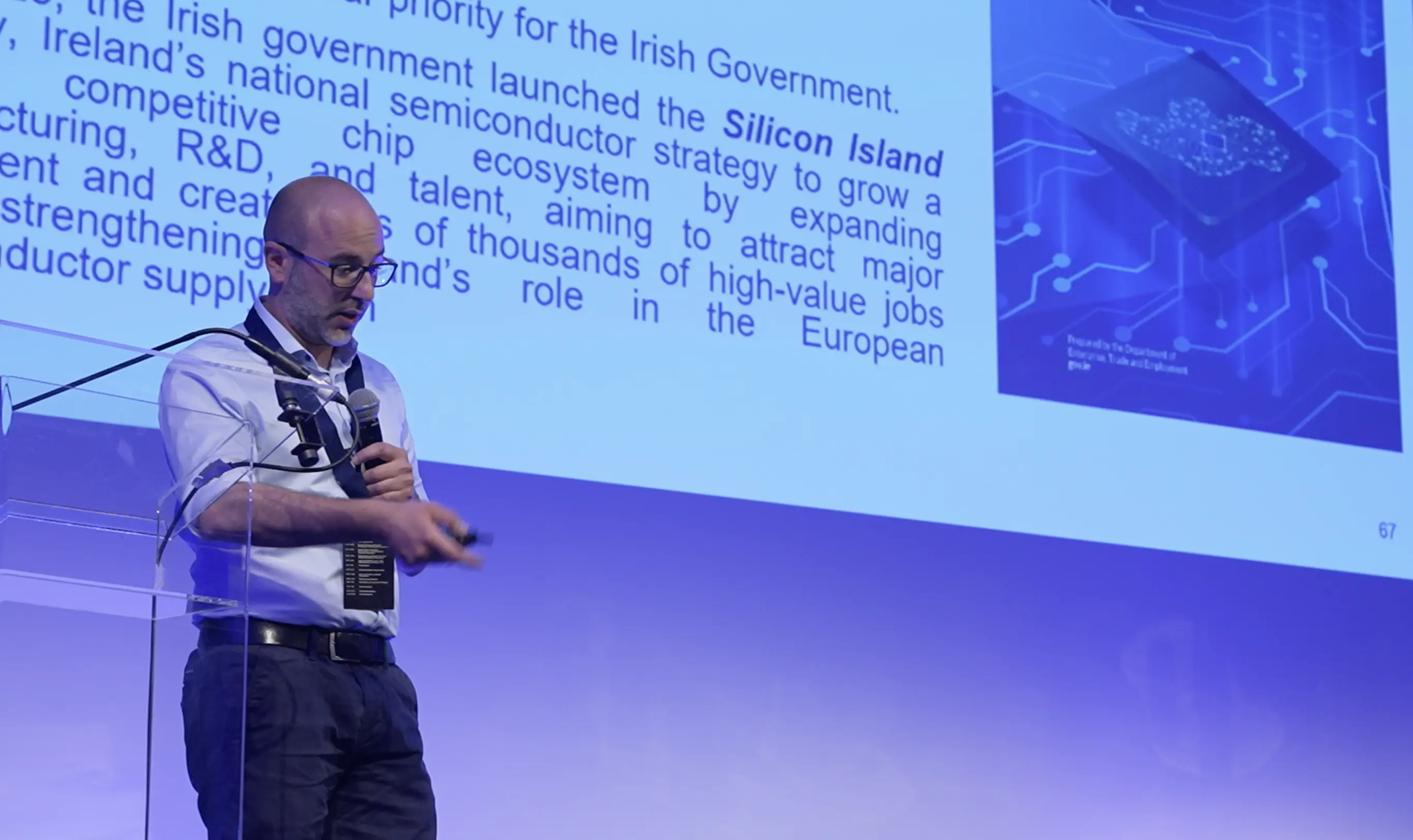
Oreste Madia (Programme Manager & Strategic Development, Tyndall National Institute) addressed how the successful implementation of Europe's ambitions under Chips Act 2.0 will increasingly depend on strong coordination between European and national initiatives. With Ireland set to assume the Presidency of the Council of the EU, he explored how the Irish semiconductor ecosystem, spanning advanced R&D infrastructure, industry–academic clusters and deep-tech talent, can help accelerate Europe's strategic objectives in practice.
Showcasing the ecosystem
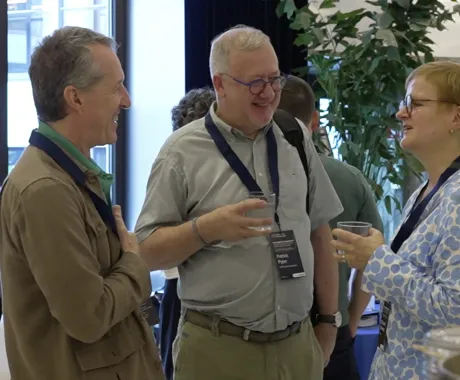
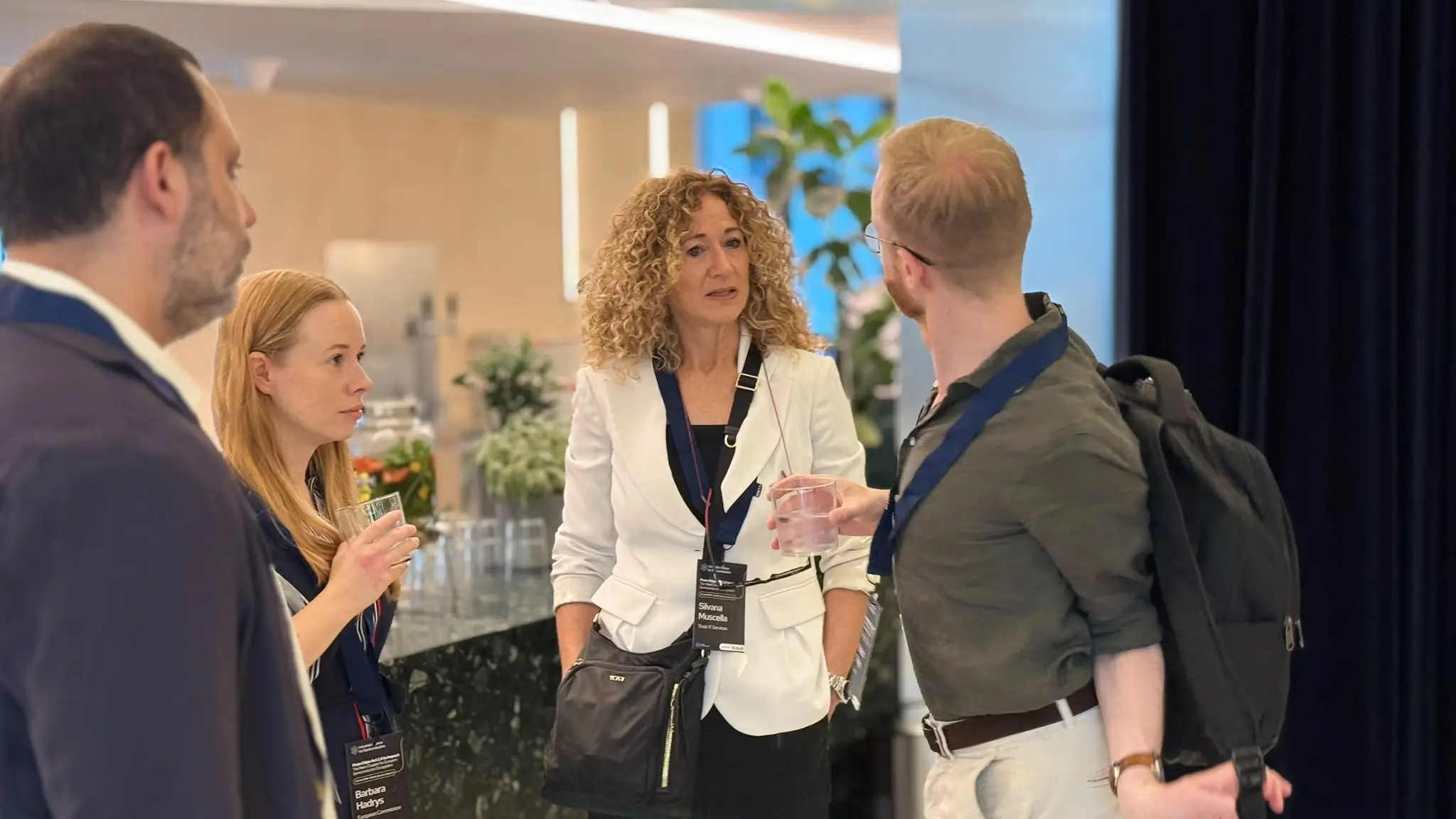
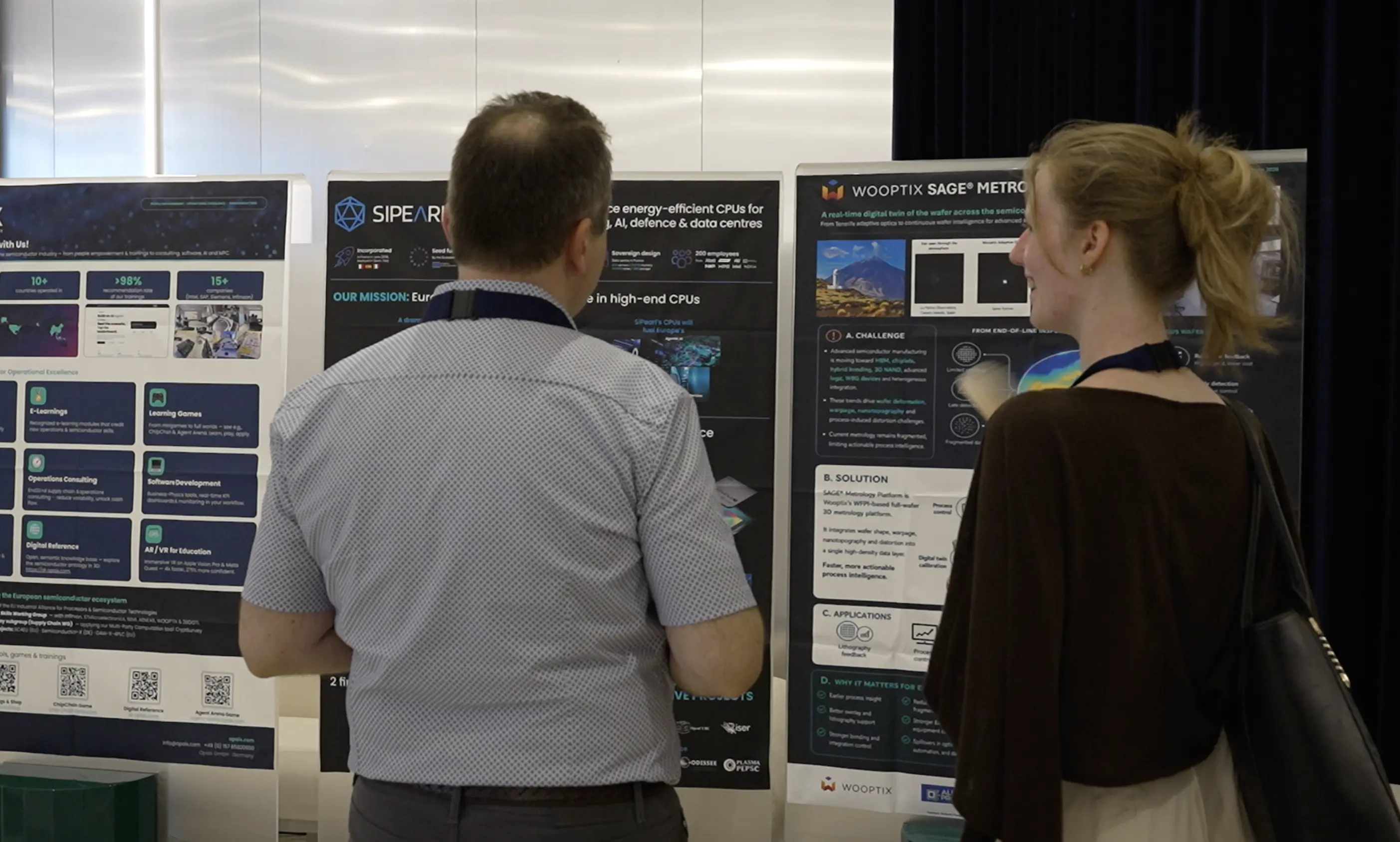
Moderated by Frank Bösenberg (Managing Director, Silicon Saxony), a conversation with Andrea Lombardo (CEO and co-founder, DAOS Group) explored design capabilities and the evolving needs of users across the ecosystem from the perspective of a company used to working at the edge of the ecosystem, interfacing with professionals and experts who need guidance and support when it comes to tailoring semiconductor solutions to their needs. A networking coffee and poster session showcased SMEs from the Industrial Alliance and the wider European ecosystem, including OPAIX, Wooptix, Kalray, SiPearl and DAOS Group.
Progress across the Working Groups
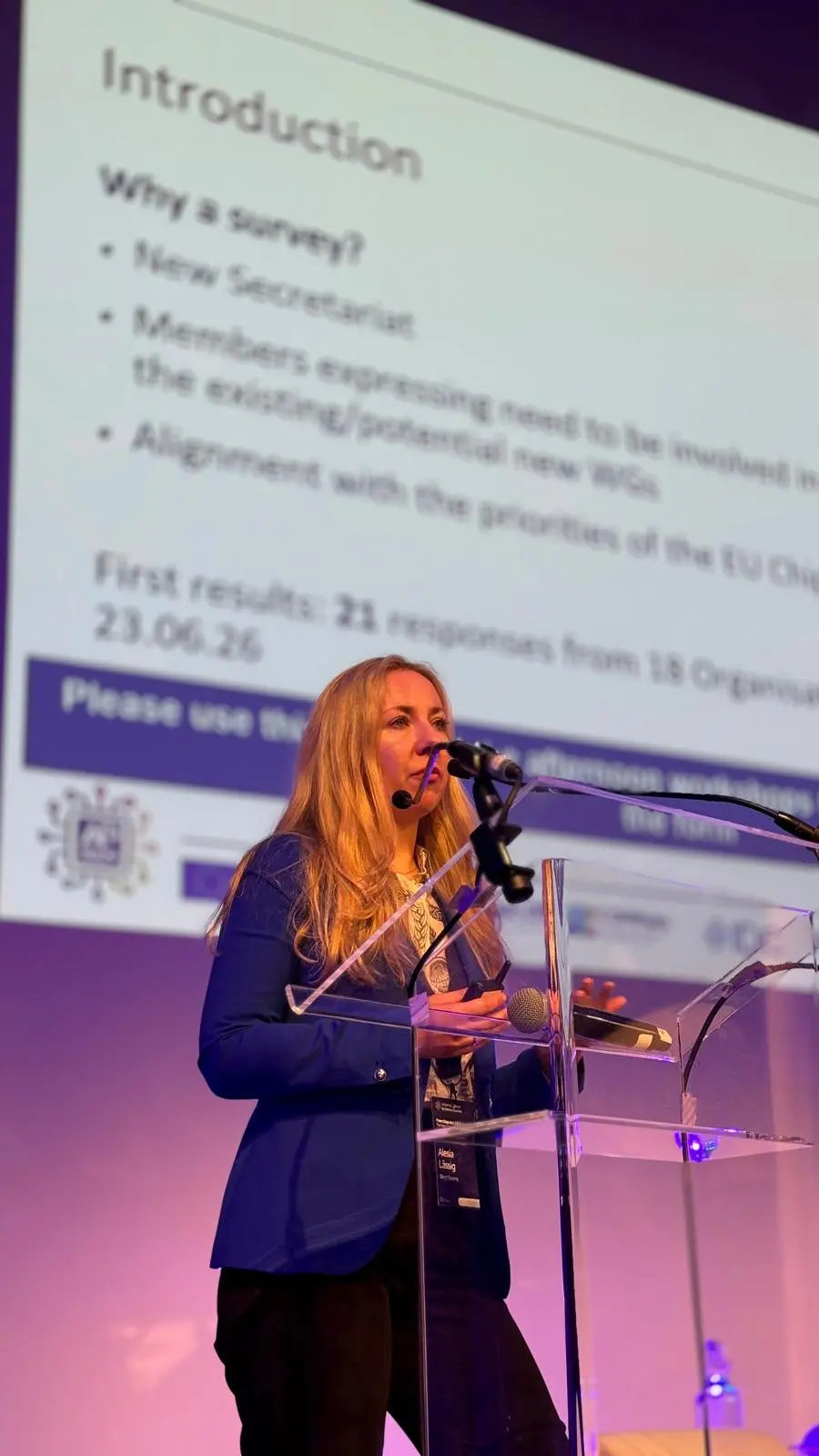
The morning concluded with the co-chairs presenting the latest progress from the Alliance's Working Groups on Skills, Supply Chains, PFAS and Automotive, with contributions from Martina Wolfgruber (Infineon Austria), Fabrice Graignic (STMicroelectronics), Carlos Pardo (AESEMI), Giovanni Corder (ESIA), Dimiter Prodanov (Bulgarian Academy of Sciences) and Patrick Pype (NXP). Alesia Lässig (Silicon Saxony) then presented the first results of the consultation on the current status and future direction of the Working Groups while the afternoon continued with parallel workshops for the Working Groups on Skills, Supply Chains and PFAS, gathering further feedback on the Chips Act 2.0 proposal and identifying potential new topics for the Alliance.
Looking ahead
This event sets the stage for the Alliance to consolidate its role as a central forum for shaping Europe's semiconductor priorities as the sector enters the Chips Act 2.0 era. We thank all keynote speakers, panellists, Working Group co-chairs, partners and participants for their contributions and energy.
Learn more about the Industrial Alliance